Imagine being able to step back in time and witness history firsthand. While time machines remain the stuff of science fiction, advanced technology is now allowing us an intimate glimpse into the past through the restoration of century-old photographs. This unique journey into history is made possible through the development of AI-enabled old photo restoration tools that breathe new life into faded and damaged images.
The magic of ai old photo restoration lies in its ability to meticulously fix scratches, repair tears, and even colorize black-and-white images with a level of precision and accuracy that was unimaginable just a few decades ago. This technological advancement offers a portal to the past, enabling us to view history through a clearer, more vibrant lens.
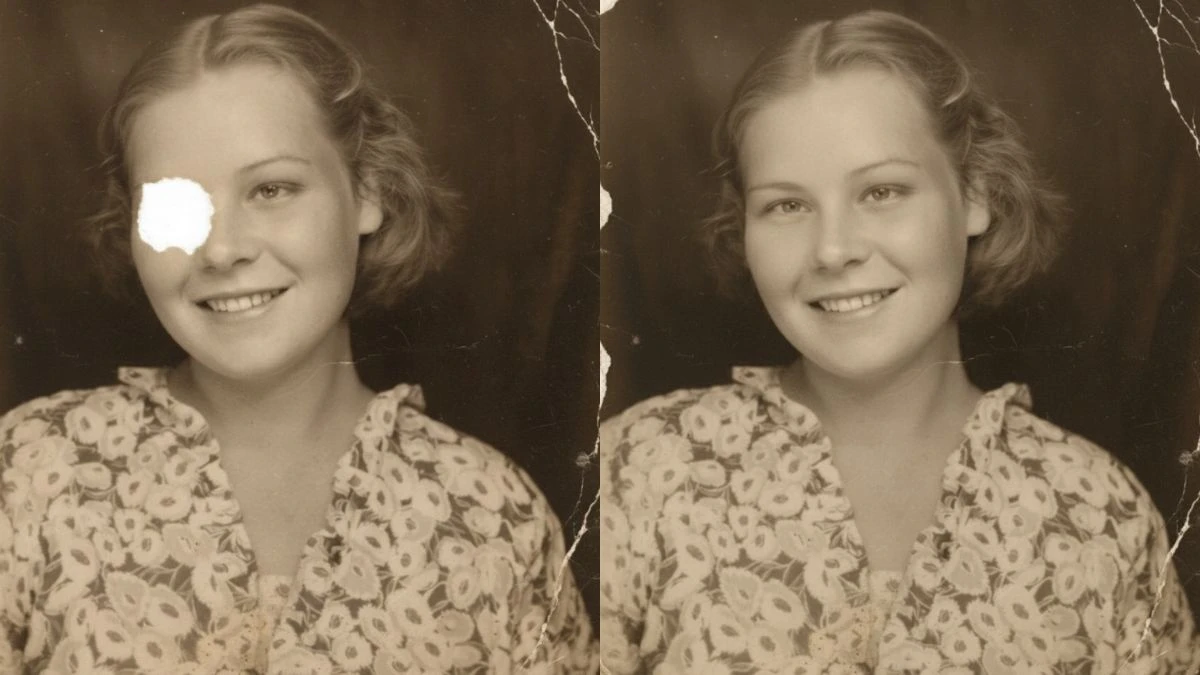
The Art of Digital Resuscitation
The process of restoring old photographs has, traditionally, been a painstaking task requiring specialized skills and hours of manual effort. However, with the advent of old photo restoration ai, this has dramatically changed. Now, anyone with access to AI technology can restore cherished family heirlooms or historical documents in minutes, without any prior editing experience needed. The ease and accessibility brought by AI technologies democratize the preservation of history, making it accessible to all.
The restoration goes beyond mere cosmetic enhancement. AI techniques analyze the content and context of photographs, making educated guesses about the original colors and textures. This not only revives the photos but also helps in preserving the cultural and historical significance embedded within them. It's like having a historian and an artist at your fingertips, collaborating to piece together fragments of the past.
A Window to the World
Old photos serve as windows to the epochs they were taken in, representing stories, emotions, and a way of life long gone. Through AI old photo restoration, we have the ability to view these moments in enhanced clarity and color, bridging the gap between generations and reconnecting families with their ancestors in a deeply personal and emotional way. This technology also serves educators and historians, offering them a more realistic representation of historical events and daily life in previous centuries.
Moreover, the appeal of restored photographs isn't just sentimental. They are also of immense scholarly value. Historians and researchers can now access restored images to gain insights into the evolution of clothing, architecture, and public life. Furthermore, these images can play a crucial role in cultural preservation by helping communities maintain a tangible connection to their history, despite the ravages of time and environment.
AI's role in transforming black-and-white snapshots into colorful pieces of history means that new generations can appreciate their heritage in ways that were previously not possible. The emotional resonance of seeing one's ancestors in full color, participating in events or just going about their daily lives can be profoundly impactful.
A Technological Renaissance
AI old photo restoration stands at the intersection of technology and artistry, where each restored photograph is a piece of revived history. This revival not only celebrates the past but also showcases the power of modern AI technology. Artificial intelligence has found profound applications across many sectors, and its use in preserving personal and historical legacies is a testament to its transformative potential. To explore more about artificial intelligence, its capabilities and its applications, visit Wikipedia https://en.wikipedia.org/wiki/Artificial_intelligence.
Reviving century-old photographs through AI is a testament to human ingenuity and how it can profoundly impact our understanding and appreciation of the past. Each photograph restored is a victory against the erosive forces of time, a captured moment that tells a story of a hundred years and invites us to make new connections with history. Hence, as we look into these revived images, we do not just see tinted fabrics or rendered buildings; we witness the reclaiming of history, a celebration of our rich, collective human legacy.